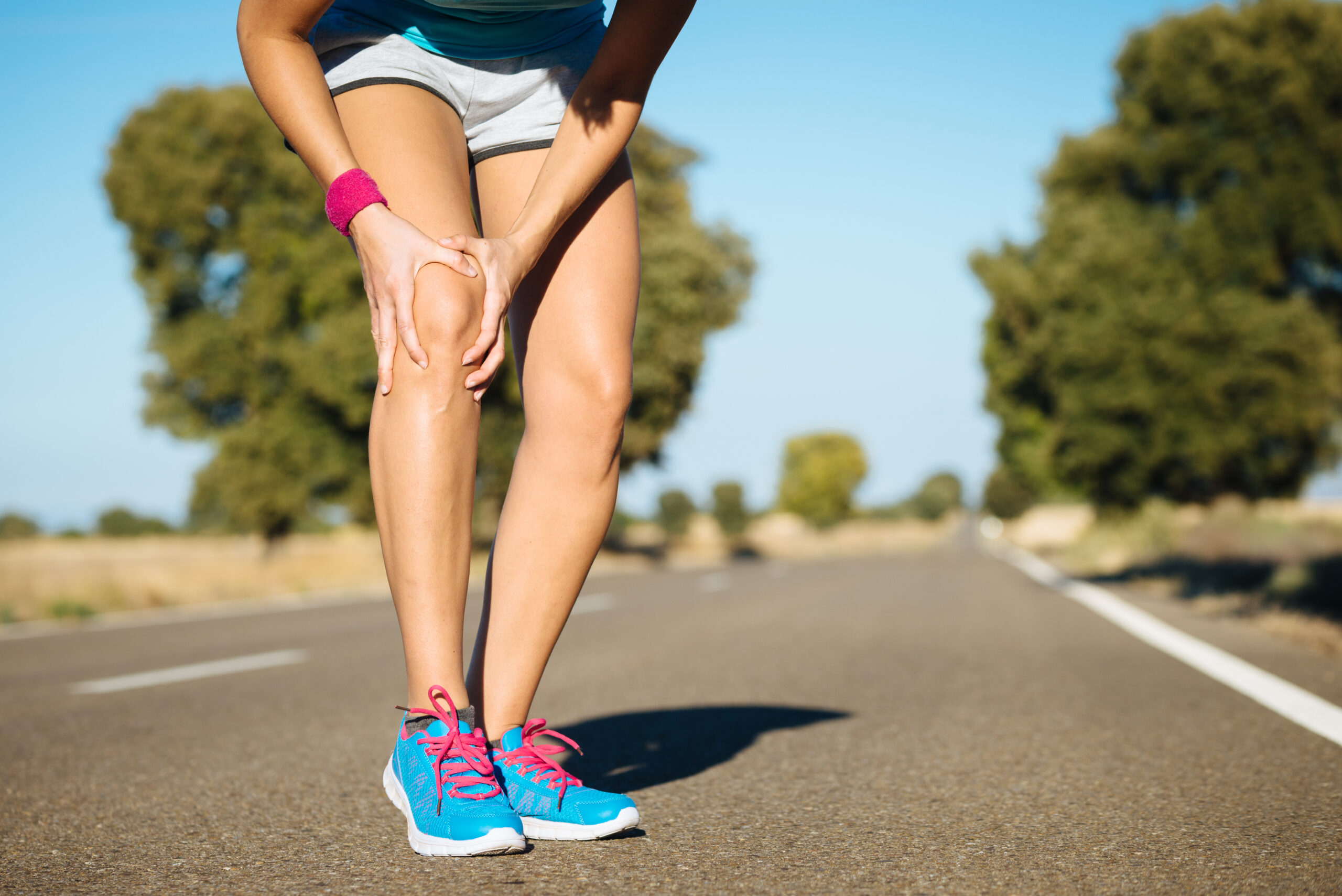
The meniscus is a C-shaped piece of cartilage in the knee that acts as a cushion between the thighbone (femur) and the shinbone (tibia). Each knee has two menisci—medial (inner) and lateral (outer)—that help with load distribution, shock absorption, and joint stability. When torn due to injury or degeneration, the meniscus can cause significant pain, swelling, and mobility issues.
At Kamakshi Orthopedics, located in Chaitanyapuri, Dilsukhnagar, Hyderabad, we specialize in the diagnosis and treatment of meniscus injuries, including advanced arthroscopic meniscus repair. Our goal is to preserve the natural cartilage whenever possible and help patients return to their daily activities or sports with a fully functional knee.
Understanding Meniscus Tears
Meniscus tears are common among athletes and active individuals, often resulting from a sudden twist or turn while the foot is planted. However, tears can also occur due to age-related wear and tear in older adults. These injuries vary in type—radial, horizontal, flap, complex, or bucket handle—and the treatment depends on the size, location, and severity of the tear.
Symptoms of a meniscus tear include joint line pain, swelling, stiffness, catching or locking sensation, and difficulty fully extending or bending the knee. Some patients can still walk after the injury, but the knee may feel unstable or painful during activity.
Diagnosis and Evaluation
At Kamakshi Orthopedics, we begin with a thorough history and physical examination. Special clinical tests such as the McMurray or Thessaly test help identify meniscal injuries. For confirmation, MRI scanning is often used to assess the tear’s size, location, and involvement of surrounding cartilage or ligaments.
The vascular (blood supply) zones of the meniscus also play a key role in deciding the treatment—tears in the outer “red zone” heal better and are more amenable to repair, while inner “white zone” tears may require partial removal.
Surgical Treatment: Meniscus Repair
When the tear is suitable for repair and non-surgical methods are not effective, we perform arthroscopic meniscus repair. This minimally invasive procedure involves inserting a small camera and instruments into the knee through keyhole incisions. The torn meniscus is stitched back together to encourage natural healing.
For irreparable tears or degenerative damage, we may perform a partial meniscectomy, where only the damaged portion is removed to preserve as much healthy cartilage as possible.
Post-Surgery Recovery
Recovery after meniscus surgery depends on the procedure performed. Patients undergoing repair may need to limit weight-bearing and use a brace for several weeks, while those with partial meniscectomy usually recover more quickly.
Rehabilitation focuses on:
Reducing pain and swelling
Regaining full range of motion
Strengthening surrounding muscles
Gradually returning to normal activity and sports
Most patients return to their routine in 4–6 weeks for minor procedures and 3–4 months for full repairs.
Why Choose Kamakshi Orthopedics?
Our commitment is to preserve your joint health using the most conservative and effective treatments. Here’s why patients choose us:
Skilled in arthroscopic and minimally invasive techniques
Care led by Dr. Ashwin Reddy, expert in sports knee surgeries
Personalized rehab and post-op support
Focus on meniscus preservation and long-term knee function