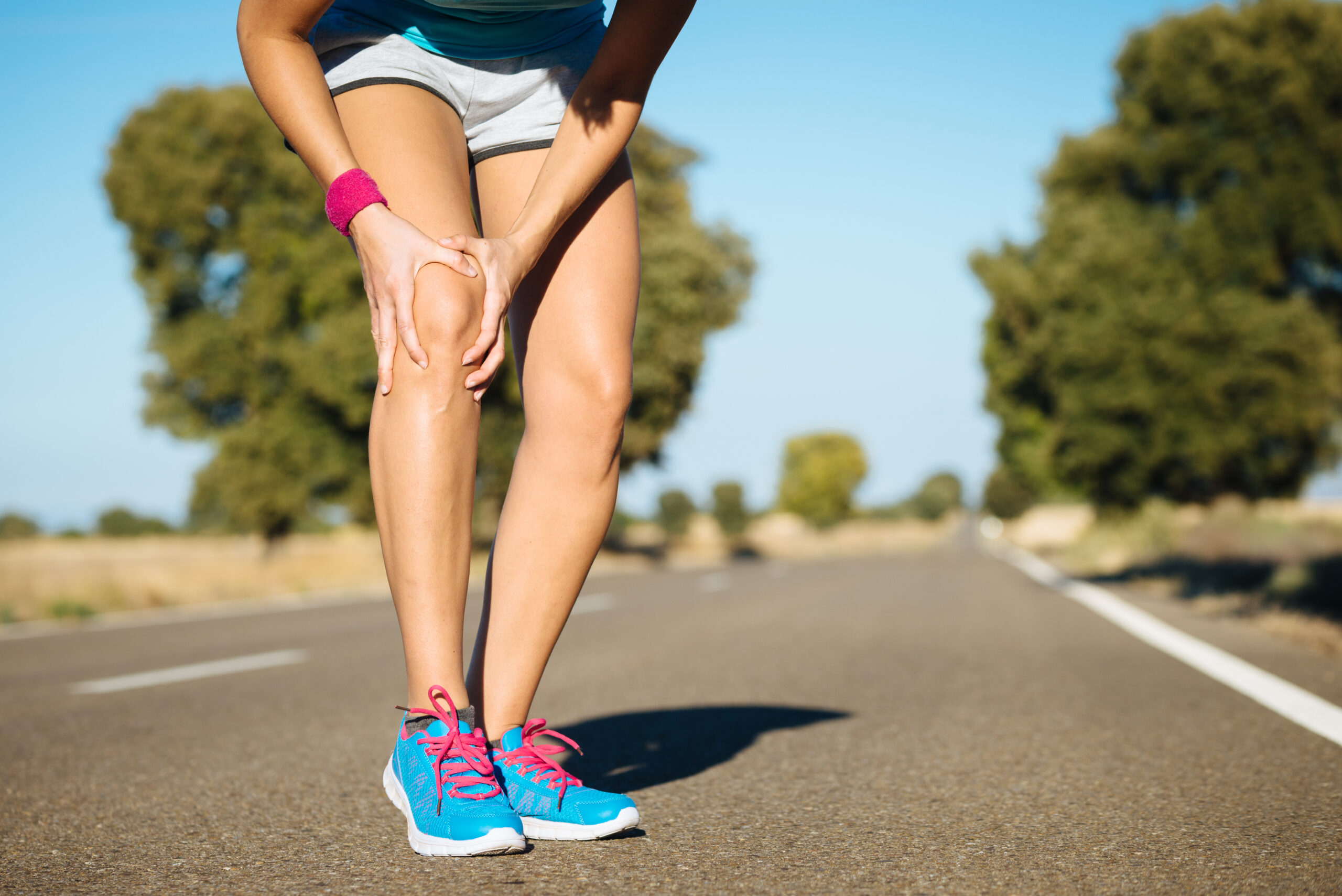
The Posterior Cruciate Ligament (PCL) is one of the major stabilizing ligaments of the knee, located at the back of the joint. Although less commonly injured than the ACL, PCL tears can cause significant instability and discomfort, especially during movement such as walking downhill, climbing stairs, or bearing weight.
At Kamakshi Orthopedics in Chaitanyapuri, Dilsukhnagar, Hyderabad, we offer expert diagnosis and treatment for PCL injuries, including arthroscopic PCL reconstruction surgery for complete tears. Our focus is on restoring knee function, reducing pain, and helping you get back to normal activity levels with confidence and comfort.
Understanding PCL Injuries
The PCL connects the femur to the tibia and prevents the shinbone from moving backward too far. Injuries typically result from high-impact trauma—such as road traffic accidents, falls on a bent knee, or sports collisions. In some cases, PCL tears can occur alongside injuries to other ligaments or structures in the knee, requiring comprehensive care.
Patients with a PCL tear often experience pain at the back of the knee, swelling, instability, and difficulty walking or squatting. While minor strains or partial tears may heal with rest and rehabilitation, complete or chronic PCL tears often require surgical intervention.
Diagnosis and Evaluation
Accurate diagnosis is key to successful treatment. At Kamakshi Orthopedics, we begin with a thorough clinical assessment, including special tests to check for posterior laxity. Imaging studies such as MRI are used to confirm the grade of injury and detect any associated damage to cartilage or menisci. X-rays may also be done to assess bone alignment and rule out fractures.
PCL Reconstruction Procedure
When surgery is required, we perform arthroscopic PCL reconstruction, a minimally invasive procedure where the torn ligament is replaced using a tendon graft. The graft—usually harvested from the patient’s hamstring or quadriceps tendon—is anchored precisely to restore the normal biomechanics of the knee. The surgery is done under anesthesia using small incisions and advanced instruments, reducing recovery time and the risk of complications.
Our surgical team, led by Dr. Ashwin Reddy, follows international best practices to ensure long-term knee stability, smooth motion, and reduced post-operative discomfort.
Recovery and Rehabilitation
Post-operative care is just as important as the surgery itself. Our rehabilitation plan begins immediately after the procedure with a focus on reducing swelling, regaining motion, and gradually strengthening the muscles around the knee. Patients typically use a brace for support during the initial phase and are monitored closely throughout recovery.
Most individuals can resume light activities within 6–8 weeks, while sports and high-impact activities may be resumed in 6–9 months depending on healing and rehab progress.
Why Choose Kamakshi Orthopedics?
At Kamakshi Orthopedics, we bring together expert surgical skills, advanced technology, and compassionate care. Our key advantages include:
Fellowship-trained orthopedic surgeon Dr. Ashwin Reddy
Minimally invasive arthroscopic procedures
Personalized physiotherapy and follow-up
Focus on complete recovery and return to normal function